<?xml version="1.0" encoding="utf-8"?><feed xmlns="http://www.w3.org/2005/Atom" ><generator uri="https://jekyllrb.com/" version="3.10.0">Jekyll</generator><link href="https://kokabee.com/feed.xml" rel="self" type="application/atom+xml" /><link href="https://kokabee.com/" rel="alternate" type="text/html" /><updated>2026-10-01T18:32:26+00:00</updated><id>https://kokabee.com/feed.xml</id><title type="html">OMID KOKABEE</title><subtitle>Personal website, research, professional work and daily notes</subtitle><entry xml:lang="fa"><title type="html">نوشتن بخشی از علم است</title><link href="https://kokabee.com/fa/blog/writing-is-part-of-the-science/" rel="alternate" type="text/html" title="نوشتن بخشی از علم است" /><published>2026-10-01T00:00:00+00:00</published><updated>2026-10-01T00:00:00+00:00</updated><id>https://kokabee.com/fa/blog/writing-is-part-of-the-science-fa</id><content type="html" xml:base="https://kokabee.com/fa/blog/writing-is-part-of-the-science/"><![CDATA[<p>اخیراً به مقاله جالبی در مجله <em>Nature Biotechnology</em> برخوردم با عنوان <strong>«An open letter to graduate students and other procrastinators: it’s time to write»</strong> نوشته Dennis J. Hazelett.</p>

<p>مقاله از مسئله‌ای شروع می‌کند که احتمالاً برای بیشتر کسانی که تجربه پژوهش داشته‌اند آشناست: فهمیدن ساختار یک مقاله علمی چندان دشوار نیست، اما وقتی نوبت به نوشتن پژوهش خودمان می‌رسد، کار به شکل عجیبی سخت می‌شود.</p>

<p>و دلیل خوبی هم برای این موضوع وجود دارد.</p>

<p>وقتی درباره پژوهش خودمان می‌نویسیم، صرفاً در حال توضیح چیزی نیستیم که قبلاً در یک کتاب درسی نوشته شده باشد. در حالت ایده‌آل، داریم چیزی تازه را توضیح می‌دهیم؛ پرسشی که قبلاً پاسخ داده نشده، آزمایشی که دقیقاً به آن شکل انجام نشده، یا تفسیری که هنوز ارائه نشده است.</p>

<p>به همین دلیل، نوشتن علمی اساساً با گزارش کردن اطلاعات موجود تفاوت دارد.</p>

<p>یکی از نکات مقاله که برای من جالب بود این است که پیش از درگیر شدن با تمام جزئیات یک مقاله علمی، پژوهشگر باید بتواند به دو سؤال ساده پاسخ دهد:</p>

<p><strong>مسئله یا پرسشی که می‌خواهم به آن بپردازم چیست؟</strong></p>

<p>و</p>

<p><strong>خودم واقعاً درباره آن چه فکر می‌کنم؟</strong></p>

<p>این سؤال‌ها در ظاهر ساده‌اند، اما اهمیت زیادی دارند.</p>

<p>در جریان پژوهش خیلی راحت می‌توان غرق آزمایش‌ها، اندازه‌گیری‌ها، شبیه‌سازی‌ها، عیب‌یابی، پردازش داده‌ها و جزئیات فنی بی‌پایان شد. همه این کارها لازم‌اند، اما در یک مرحله باید از جزئیات فاصله گرفت و پرسید که این نتایج در نهایت چه معنایی دارند.</p>

<p>نوشتن ما را مجبور می‌کند این کار را انجام دهیم.</p>

<p>وقتی می‌نویسیم، مجبور می‌شویم بین یک نتیجه مهم و یک مشاهده کم‌اهمیت تفاوت بگذاریم. شکاف‌های موجود در استدلالمان آشکار می‌شوند. باید تصمیم بگیریم کدام شواهد واقعاً از نتیجه‌گیری ما حمایت می‌کنند و کدام مشاهدات صرفاً اتفاقات جانبی‌اند.</p>

<p>گاهی تا زمانی که تلاش نکرده‌ایم پژوهش خودمان را به‌روشنی توضیح دهیم، حتی خودمان هم آن را به‌طور کامل نفهمیده‌ایم.</p>

<p>به همین دلیل فکر می‌کنم نوشتن علمی نباید کاری تلقی شود که <em>بعد از</em> پژوهش انجام می‌شود.</p>

<p>نوشتن خودش بخشی از پژوهش است.</p>

<p>دفتر آزمایشگاه شامل مشاهدات است. کامپیوتر حاوی داده‌هاست. یک مجموعه آزمایشگاهی ممکن است یک پدیده را نشان دهد. اما هیچ‌کدام از این‌ها به‌تنهایی و به‌صورت خودکار تبدیل به دانش علمی نمی‌شوند.</p>

<p>هنوز این پژوهشگر است که باید ارتباط فکری میان پرسش، شواهد و نتیجه‌گیری را ایجاد کند.</p>

<p>و بخش بزرگی از این ارتباط در هنگام نوشتن شکل می‌گیرد.</p>

<p>Hazelett استدلال را حتی فراتر می‌برد: تأثیر بلندمدت یک دانشمند فقط به داشتن ایده‌های خوب وابسته نیست. ایده باید توسعه پیدا کند، با شواهد پشتیبانی شود و به شکلی بیان شود که دیگران بتوانند آن را بفهمند و در پژوهش‌های بعدی خود به کار بگیرند.</p>

<p>فکر می‌کنم این نکته به‌ویژه برای دانشجویان تحصیلات تکمیلی اهمیت دارد.</p>

<p>ممکن است سال‌ها صرف یادگیری کار با تجهیزات، نوشتن برنامه، انجام اندازه‌گیری‌ها و حل مشکلات فنی کنیم، در حالی که مرتب نوشتن را به آینده موکول می‌کنیم. در این حالت، نوشتن در پایان کار تبدیل به یک وظیفه بسیار بزرگ و ترسناک می‌شود.</p>

<p>شاید بهتر باشد رابطه را برعکس کنیم.</p>

<p>هنگام فکر کردن، بنویسیم.</p>

<p>هنگام آزمایش کردن، بنویسیم.</p>

<p>وقتی نتیجه‌ای برایمان قابل فهم نیست، بنویسیم.</p>

<p>پیش از انجام یک آزمایش بنویسیم که چرا فکر می‌کنیم باید کار کند.</p>

<p>و بعد از به دست آمدن نتیجه بنویسیم که آیا چیزی را در برداشت اولیه ما تغییر داده است یا نه.</p>

<p>با این نگاه، نوشتن فقط به معنای تولید مقاله علمی نیست.</p>

<p>نوشتن یک روش فکر کردن است.</p>

<p>نوشتن علمی خوب در نهایت نیازمند شفافیت فکری است. اگر نتوانیم توضیح دهیم چه پرسشی داریم، چرا آن پرسش اهمیت دارد، چه شواهدی جمع کرده‌ایم و فکر می‌کنیم آن شواهد چه معنایی دارند، شاید مشکل اصلی ما «نوشتن» نباشد.</p>

<p>شاید هنوز فکر کردنمان تمام نشده باشد.</p>

<hr />

<h3 id="منبع">منبع</h3>

<p>Dennis J. Hazelett, <strong>“An open letter to graduate students and other procrastinators: it’s time to write,”</strong> <em>Nature Biotechnology</em>, 43, 447–450 (2025).</p>

<p><a href="https://doi.org/10.1038/s41587-025-02584-1">مطالعه مقاله در Nature Biotechnology</a></p>]]></content><author><name></name></author><category term="علم" /><category term="پژوهش" /><category term="نوشتن" /><category term="دانشگاه" /><summary type="html"><![CDATA[کار علمی با پایان آزمایش تمام نمی‌شود. ایده‌ها باید فهمیده، منظم و به‌روشنی بیان شوند تا بتوانند به بخشی از دانش علمی تبدیل شوند.]]></summary><media:thumbnail xmlns:media="http://search.yahoo.com/mrss/" url="https://kokabee.com/assets/images/students.jpeg" /><media:content medium="image" url="https://kokabee.com/assets/images/students.jpeg" xmlns:media="http://search.yahoo.com/mrss/" /></entry><entry xml:lang="en"><title type="html">Writing Is Part of the Science</title><link href="https://kokabee.com/blog/writing-is-part-of-the-science/" rel="alternate" type="text/html" title="Writing Is Part of the Science" /><published>2026-10-01T00:00:00+00:00</published><updated>2026-10-01T00:00:00+00:00</updated><id>https://kokabee.com/blog/writing-is-part-of-the-science</id><content type="html" xml:base="https://kokabee.com/blog/writing-is-part-of-the-science/"><![CDATA[<p>I recently came across an interesting article in <em>Nature Biotechnology</em> titled <strong>“An open letter to graduate students and other procrastinators: it’s time to write”</strong>, by Dennis J. Hazelett.</p>

<p>The article begins with a problem that is probably familiar to almost anyone who has done research: understanding the structure of a scientific paper is relatively easy, but sitting down to write your own work can feel surprisingly difficult.</p>

<p>There is a good reason for that.</p>

<p>When we write about our own research, we are not simply describing something that already exists in a textbook. Ideally, we are trying to explain something new — a question that has not been answered before, an experiment that has not been performed in exactly that way, or an interpretation that has not yet been presented.</p>

<p>That makes scientific writing fundamentally different from simply reporting information.</p>

<p>One point in the article particularly caught my attention. Before worrying about all the details of a manuscript, a researcher should be able to answer two basic questions:</p>

<p><strong>What is the problem or question I am trying to address?</strong></p>

<p>and</p>

<p><strong>What do I actually think about it?</strong></p>

<p>These sound like simple questions, but they are surprisingly powerful.</p>

<p>During research it is very easy to become absorbed in experiments, measurements, simulations, troubleshooting, data processing and endless technical details. All of these activities are necessary. But at some point we have to step back and ask what all of those results actually mean.</p>

<p>Writing forces us to do that.</p>

<p>It forces us to distinguish an interesting result from an irrelevant one. It exposes gaps in our reasoning. It makes us decide which evidence really supports our argument and which observations are merely incidental. Sometimes we do not fully understand our own research until we try to explain it clearly.</p>

<p>This is why I think scientific writing should not be considered something that happens <em>after</em> research.</p>

<p>It is part of the research itself.</p>

<p>A laboratory notebook contains observations. A computer contains data. An experimental setup may demonstrate a phenomenon. But none of these automatically becomes scientific knowledge.</p>

<p>The researcher still has to construct the intellectual connection between the question, the evidence and the conclusion.</p>

<p>And that connection is largely built through writing.</p>

<p>Hazelett makes the argument even more strongly: the long-term influence of scientists depends not merely on having ideas, but on developing those ideas, supporting them with evidence and communicating them so that they can influence the work of others.</p>

<p>I think this distinction is important, particularly for graduate students.</p>

<p>It is possible to spend years becoming extremely competent at operating equipment, writing code, performing measurements or solving technical problems while continuously postponing the process of writing. Writing then becomes a large and intimidating final task.</p>

<p>Perhaps it is better to reverse that relationship.</p>

<p>Write while thinking.</p>

<p>Write while experimenting.</p>

<p>Write when a result does not make sense.</p>

<p>Write down why you believe an experiment should work before you perform it.</p>

<p>And after obtaining the result, write down whether it changed what you originally thought.</p>

<p>In this sense, writing is not simply the production of papers.</p>

<p>It is a method of thinking.</p>

<p>Good scientific writing ultimately requires clarity of thought. If we cannot explain what question we are asking, why it matters, what evidence we have collected and what we think that evidence means, the problem may not be the writing itself.</p>

<p>The problem may be that our thinking is not yet finished.</p>

<hr />

<h3 id="source">Source</h3>

<p>Dennis J. Hazelett, <strong>“An open letter to graduate students and other procrastinators: it’s time to write,”</strong> <em>Nature Biotechnology</em>, 43, 447–450 (2025).</p>

<p><a href="https://doi.org/10.1038/s41587-025-02584-1">Read the article in Nature Biotechnology</a></p>]]></content><author><name></name></author><category term="Science" /><category term="Research" /><category term="Writing" /><category term="Academia" /><summary type="html"><![CDATA[Scientific work does not end when the experiment is finished. Ideas have to be understood, organized and communicated before they can become part of science.]]></summary><media:thumbnail xmlns:media="http://search.yahoo.com/mrss/" url="https://kokabee.com/assets/images/students.jpeg" /><media:content medium="image" url="https://kokabee.com/assets/images/students.jpeg" xmlns:media="http://search.yahoo.com/mrss/" /></entry><entry xml:lang="fa"><title type="html">خاستگاه تاریخی ترکمن‌ها</title><link href="https://kokabee.com/fa/interests/origins-of-the-turkmens/" rel="alternate" type="text/html" title="خاستگاه تاریخی ترکمن‌ها" /><published>2026-09-30T00:00:00+00:00</published><updated>2026-09-30T00:00:00+00:00</updated><id>https://kokabee.com/fa/interests/fa-origins-of-the-turkmens</id><content type="html" xml:base="https://kokabee.com/fa/interests/origins-of-the-turkmens/"><![CDATA[<p><img src="/assets/images/turkmen-origins.jpeg" alt="Turkmen history and culture" />
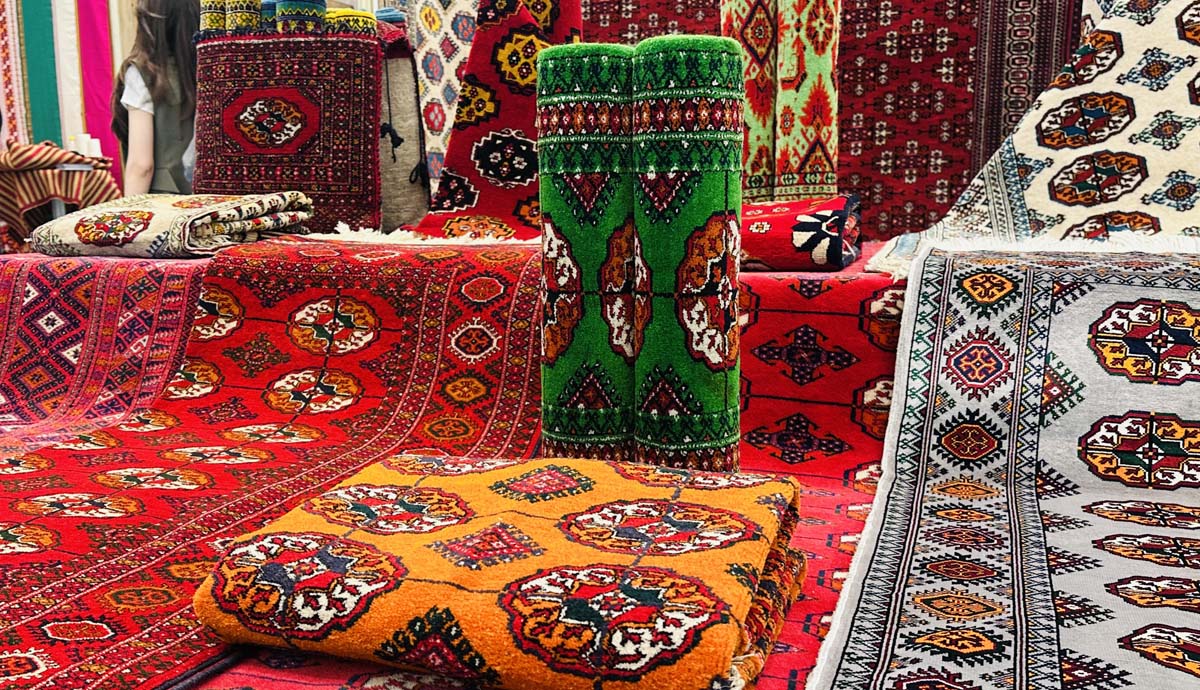
برای شناخت تاریخ <strong>ترکمن‌ها</strong> نمی‌توان تنها به مرزهای کشور امروزی ترکمنستان نگاه کرد. ریشه‌های تاریخی آنان بخشی از داستان بسیار گسترده‌تری است که <strong>اوغوزها، آسیای مرکزی، خراسان، ایران، حوزه خزر و در نهایت آناتولی و خاورمیانه</strong> را به یکدیگر پیوند می‌دهد.</p>

<p>در عین حال باید میان کاربرد تاریخی واژه‌های <strong>اوغوز</strong> و <strong>ترکمن</strong> و هویت قومی ترکمن در معنای امروزی آن تفاوت قائل شد. معنای این واژه‌ها در طول چندین قرن ثابت نمانده است.</p>

<h2 id="پیشینه-اوغوزی">پیشینه اوغوزی</h2>

<p>ترکمن‌ها از نظر تاریخی و زبانی به <strong>شاخه اوغوز از مردمان ترک‌زبان</strong> تعلق دارند.</p>

<p>نام اوغوز در منابع کهن ترک در ارتباط با اتحادیه‌ها و مجموعه‌های قبیله‌ای دیده می‌شود. گروه‌هایی با نام اوغوز در جهان ترکِ سده‌های نخست قرون وسطی و در محیطی که کتیبه‌های ترکی باستان نیز به آن تعلق دارند حضور داشته‌اند.</p>

<p>در سده‌های بعد، بخش‌هایی از جمعیت‌های اوغوز به‌تدریج به سوی غرب حرکت کردند و در آغاز دوره اسلامی، گروه‌های مهمی از آنان در نواحی پیرامون <strong>دریای آرال و رود سیردریا</strong> حضور داشتند.</p>

<p>این منطقه به یکی از مهم‌ترین کانون‌های تاریخ بعدی اوغوزها تبدیل شد.</p>

<p>البته نباید اوغوزها را به شکل یک قبیله واحد تصور کرد که همگی با یکدیگر از نقطه‌ای به نقطه دیگر مهاجرت کرده‌اند. آنان مجموعه‌ای از قبایل و اتحادیه‌های قبیله‌ای بودند که ترکیب سیاسی، قلمرو و هویتشان در طول زمان تغییر می‌کرد.</p>

<h2 id="اوغوزها-اسلام-و-نام-ترکمن">اوغوزها، اسلام و نام ترکمن</h2>

<p>از حدود سده دهم میلادی، ارتباط اوغوزها با جوامع اسلامی ماوراءالنهر و خراسان افزایش یافت.</p>

<p>برخی از خاندان‌های مهم اوغوز اسلام آوردند. یکی از مهم‌ترین آن‌ها خاندان <strong>سلجوق</strong> بود که نوادگانش بعدها نقش بسیار بزرگی در تاریخ سیاسی ایران، آسیای مرکزی و خاورمیانه ایفا کردند.</p>

<p>در منابع فارسی و عربی دوره اسلامی، واژه <strong>ترکمن</strong> به‌تدریج برای برخی از جمعیت‌های اوغوز به کار رفت.</p>

<p>با این حال، معنا و حتی ریشه دقیق واژه «ترکمن» همچنان موضوع بحث میان پژوهشگران است. به همین دلیل نمی‌توان فرض کرد که هر بار که در یک منبع قرون وسطایی واژه ترکمن دیده می‌شود، دقیقاً همان مفهوم قومی امروزی از آن منظور بوده است.</p>

<p>در بسیاری از منابع تاریخی، «ترکمن» می‌توانست مفهومی گسترده‌تر و مرتبط با گروه‌های اوغوز داشته باشد.</p>

<h2 id="حرکت-سلجوقیان-به-سوی-خراسان">حرکت سلجوقیان به سوی خراسان</h2>

<p>یکی از نقاط عطف تاریخ اوغوزها، حرکت گروه‌های تحت رهبری سلجوقیان به سوی <strong>خراسان</strong> در سده یازدهم میلادی بود.</p>

<p>این مهاجرت‌ها به برخوردهای فزاینده میان اوغوزها و حکومت غزنوی انجامید.</p>

<p>پیروزی سلجوقیان در <strong>نبرد دندانقان در سال ۱۰۴۰ میلادی</strong> سلطه آنان را در خراسان تثبیت کرد و زمینه گسترش سریع قدرت سلجوقی در بخش‌های بزرگی از ایران و سپس مناطق غربی‌تر را فراهم آورد.</p>

<p>از این دوره به بعد، گروه‌های مختلف اوغوز مسیرهای تاریخی متفاوتی را طی کردند.</p>

<p>بخشی از آنان از طریق ایران به سوی آذربایجان و آناتولی حرکت کردند و در شکل‌گیری جمعیت‌هایی که بعدها به گروه‌های مختلف اوغوز غربی، از جمله نیاکان بخشی از جمعیت‌های ترک‌زبان آذربایجانی و آناتولی، تبدیل شدند نقش داشتند.</p>

<p>در مقابل، گروه‌های دیگری در خراسان، نواحی پیرامون خزر و سرزمین‌های آسیای مرکزی باقی ماندند.</p>

<h2 id="شکلگیری-تدریجی-ترکمنها">شکل‌گیری تدریجی ترکمن‌ها</h2>

<p>نیاکان ترکمن‌های امروزی بیش از همه با آن دسته از جمعیت‌های اوغوز مرتبط دانسته می‌شوند که در مناطق شرقی خزر و سرزمین‌های قدیمی اوغوز در آسیای مرکزی باقی ماندند یا بعدها در این مناطق استقرار یافتند و به‌طور کامل در مهاجرت بزرگ به سوی غرب شرکت نکردند.</p>

<p>این جمعیت‌ها طی چندین قرن ساختارهای قبیله‌ای، گویش‌ها، سنت‌ها و شیوه‌های سازمان سیاسی خاص خود را توسعه دادند.</p>

<p>بنابراین نمی‌توان لحظه مشخصی را به‌عنوان «تولد» ناگهانی قوم ترکمن تعیین کرد.</p>

<p><strong>قوم‌زایی ترکمن‌ها فرایندی طولانی و تاریخی بوده است.</strong></p>

<p>مهاجرت، بازآرایی قبایل، جنگ‌ها، اقتصاد کوچ‌نشینی و دامداری، ارتباط با مردمان ایرانی و ترک همسایه و تغییر قدرت‌های سیاسی، همگی در شکل‌گیری جوامعی که امروز ترکمن می‌نامیم نقش داشته‌اند.</p>

<h2 id="زبان-ترکمنی">زبان ترکمنی</h2>

<p><strong>زبان ترکمنی</strong> به شاخه اوغوز خانواده زبان‌های ترکی تعلق دارد.</p>

<p>از این رو با ترکی استانبولی، ترکی آذربایجانی و دیگر زبان‌ها و گویش‌های اوغوزی خویشاوند است، اما در عین حال ویژگی‌های آوایی، دستوری و واژگانی خاص خود را دارد.</p>

<p>این خویشاوندی زبانی یکی از روشن‌ترین نشانه‌های باقی‌مانده از پیشینه مشترک اوغوزی این مردمان است.</p>

<p>با این حال، خویشاوندی زبانی را نباید با یکسان بودن هویت قومی اشتباه گرفت. هویت‌های ترکمنی، ترکی و آذربایجانی با وجود ریشه مشترک زبانی، در شرایط تاریخی متفاوتی شکل گرفته‌اند.</p>

<h2 id="ترکمنها-در-ایران">ترکمن‌ها در ایران</h2>

<p>تاریخ ترکمن‌ها بخشی مهم از تاریخ <strong>ایران و خراسان</strong> نیز به شمار می‌رود.</p>

<p>جوامع ترکمن از دیرباز در نواحی شمال شرقی ایران و جنوب شرقی دریای خزر زندگی کرده‌اند و بخشی از یک حوزه جغرافیایی و فرهنگی وسیع‌تر بوده‌اند که امروزه توسط مرز سیاسی ایران و ترکمنستان تقسیم شده است.</p>

<p>به همین دلیل نمی‌توان مرز کنونی ایران و ترکمنستان را به دوره‌های قدیمی‌تر تاریخی تعمیم داد.</p>

<p>در بخش بزرگی از تاریخ، قبایل، جمعیت‌ها، دام‌ها، مسیرهای تجاری و قدرت‌های سیاسی در فضایی حرکت می‌کردند که تنها در دوره جدید توسط مرزهای دولت‌های مدرن تقسیم شد.</p>

<p>بنابراین ترکمن‌های ایران را نباید صرفاً اقلیتی جداشده از تاریخ ترکمن‌های آسیای مرکزی دانست؛ آنان بخشی از پیوستار تاریخی جمعیت‌های ترکمن در جنوب شرقی خزر و حوزه گسترده‌تر خراسان و آسیای مرکزی هستند.</p>

<h2 id="یک-تفاوت-اصطلاحی-مهم">یک تفاوت اصطلاحی مهم</h2>

<p>یکی از دشواری‌های مطالعه این موضوع، خود واژه <strong>ترکمن</strong> است.</p>

<p>این واژه در منابع تاریخی در معناها و زمینه‌های متفاوتی به کار رفته است. افزون بر این، امروزه گروه‌هایی با نام ترکمن در ایران، ترکمنستان، افغانستان، عراق، سوریه، ترکیه و مناطق دیگر زندگی می‌کنند.</p>

<p>اما همه این گروه‌ها لزوماً شاخه‌هایی از یک جمعیت واحد در دوره‌های اخیر تاریخی نیستند.</p>

<p>برای مثال، برخی از گروه‌هایی که در خاورمیانه ترکمن نامیده می‌شوند از مهاجرت‌های اوغوزی قرون وسطی به سوی غرب سرچشمه می‌گیرند، در حالی که شکل‌گیری جمعیت‌های ترکمن آسیای مرکزی مسیر تاریخی متفاوتی داشته است.</p>

<p>بنابراین هنگام برخورد با واژه «ترکمن» همیشه باید <strong>زمان، جغرافیا و زمینه تاریخی</strong> آن را نیز در نظر گرفت.</p>

<h2 id="چگونه-تاریخ-ترکمنها-را-مطالعه-کنیم">چگونه تاریخ ترکمن‌ها را مطالعه کنیم؟</h2>

<p>به جای جست‌وجوی یک تاریخ یا لحظه خاص برای «پیدایش» ترکمن‌ها، می‌توان روند تاریخی آنان را به‌صورت زنجیره‌ای از تحولات در نظر گرفت:</p>

<p><strong>اتحادیه‌های اولیه ترک → شکل‌گیری اوغوزها → مهاجرت‌های غربی → گسترش اسلام و قدرت سلجوقیان → جدایی تدریجی مسیرهای تاریخی گروه‌های اوغوز → شکل‌گیری جوامع و هویت‌های متمایز ترکمنی.</strong></p>

<p>با چنین رویکردی روشن می‌شود که مطالعه تاریخ ترکمن‌ها ناگزیر با تاریخ <strong>آسیای مرکزی، ایران، خراسان، حوزه دریای خزر و جهان گسترده ترک‌زبان</strong> پیوند دارد.</p>

<hr />

<h2 id="منابع-منتخب">منابع منتخب</h2>

<p><strong>C. E. Bosworth &amp; Peter B. Golden</strong><br />
“ḠOZZ.” <em>Encyclopaedia Iranica.</em></p>

<p><strong>Gerhard Doerfer</strong><br />
“Central Asia xiv. Turkish-Iranian Language Contacts.” <em>Encyclopaedia Iranica.</em></p>

<p><strong>Sultan Tulu</strong><br />
“Khorasan xxiii. Turkic Dialects of Khorasan.” <em>Encyclopaedia Iranica.</em></p>

<p><strong>Michael Knüppel</strong><br />
“Turkmens of Persia ii. Language.” <em>Encyclopaedia Iranica.</em></p>

<p><strong>Peter B. Golden</strong><br />
“The Migrations of the Oğuz.” <em>Archivum Ottomanicum</em>, Vol. 4, 1972, pp. 45–84.</p>

<p><strong>Peter B. Golden</strong><br />
<em>An Introduction to the History of the Turkic Peoples.</em> Wiesbaden, 1992.</p>]]></content><author><name></name></author><category term="ترکمن‌ها" /><category term="اوغوز" /><category term="آسیای مرکزی" /><category term="تاریخ" /><summary type="html"><![CDATA[درآمدی بر شکل‌گیری تاریخی ترکمن‌ها؛ از اتحادیه‌های اوغوز تا پیدایش تدریجی هویت متمایز ترکمنی.]]></summary><media:thumbnail xmlns:media="http://search.yahoo.com/mrss/" url="https://kokabee.com/assets/images/turkmen-origins.jpeg" /><media:content medium="image" url="https://kokabee.com/assets/images/turkmen-origins.jpeg" xmlns:media="http://search.yahoo.com/mrss/" /></entry><entry xml:lang="fa"><title type="html">ویلیام آیرونز و پژوهش‌های او درباره ترکمن‌های یموت</title><link href="https://kokabee.com/fa/interests/william-irons-yomut-turkmens/" rel="alternate" type="text/html" title="ویلیام آیرونز و پژوهش‌های او درباره ترکمن‌های یموت" /><published>2026-09-30T00:00:00+00:00</published><updated>2026-09-30T00:00:00+00:00</updated><id>https://kokabee.com/fa/interests/fa-william-irons-yomut-turkmen</id><content type="html" xml:base="https://kokabee.com/fa/interests/william-irons-yomut-turkmens/"><![CDATA[<p><img src="/assets/images/william-irons.jpeg" alt="ویلیام آیرونز" />
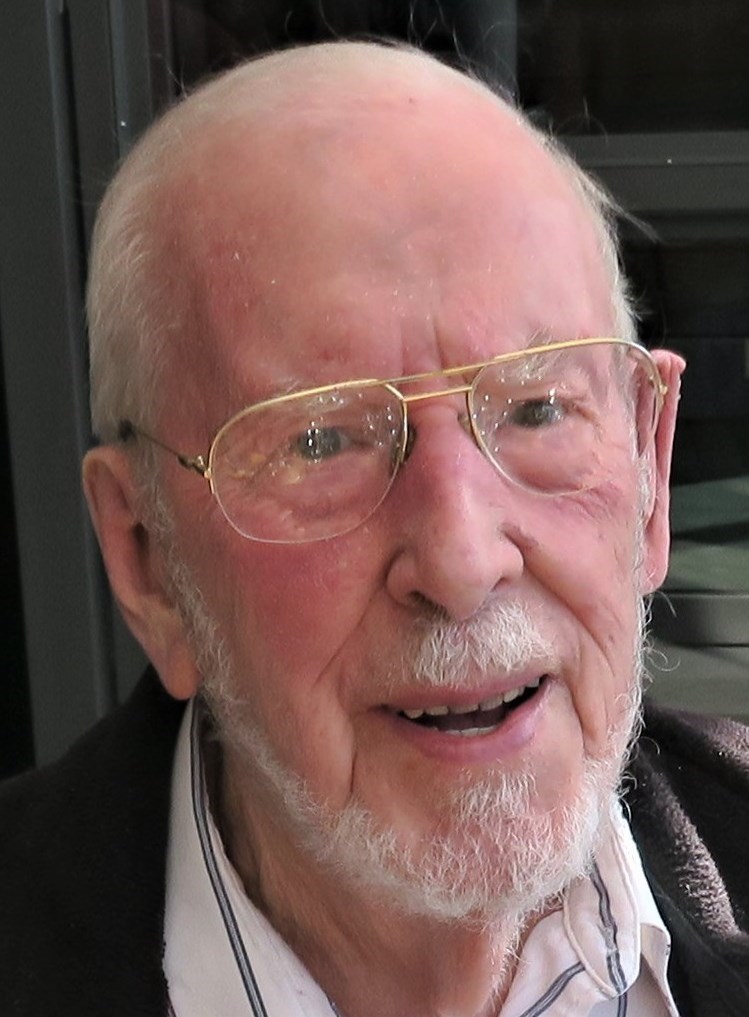
در میان پژوهشگرانی که درباره ترکمن‌های ایران مطالعه کرده‌اند، <strong>ویلیام آیرونز (William Irons)</strong> جایگاه قابل توجهی دارد.</p>

<p>برخلاف بسیاری از پژوهشگرانی که تاریخ ترکمن‌ها را عمدتاً از طریق اسناد مکتوب بررسی کرده‌اند، آیرونز مدت قابل توجهی را به <strong>کار میدانی انسان‌شناختی در میان ترکمن‌های یموت شمال ایران</strong> اختصاص داد.</p>

<p>موضوع پژوهش او تنها تاریخ یا ساختار قبیله‌ای نبود؛ او زندگی اجتماعی ترکمن‌ها را از جنبه‌های مختلف بررسی کرد: خانواده، خویشاوندی، ازدواج، کوچ‌نشینی، دامداری، ساختار سیاسی، مالکیت، ثروت، مهاجرت و رابطه قبایل با حکومت.</p>

<p>اهمیت آثار او تا حد زیادی در این است که مطالعاتش در دوره‌ای انجام شد که شیوه سنتی زندگی شبانی و کوچ‌نشینی یموت‌ها با سرعت در حال تغییر بود.</p>

<h2 id="ویلیام-آیرونز">ویلیام آیرونز</h2>

<p>ویلیام آیرونز در سال <strong>۱۹۶۹ دکترای انسان‌شناسی خود را از دانشگاه میشیگان</strong> دریافت کرد.</p>

<p>موضوع پژوهش دکترای او ترکمن‌های <strong>یموت</strong> و به‌ویژه جوامع دامدار و کوچ‌رو آنان در شمال ایران بود.</p>

<p>او پس از پژوهش اولیه خود دو بار دیگر برای مطالعه یموت‌ها به ایران بازگشت. یکی از پژوهش‌های بعدی او شامل بررسی گسترده داده‌های جمعیتی و اقتصادی بود.</p>

<p>آیرونز بعدها استاد انسان‌شناسی در <strong>دانشگاه نورث‌وسترن</strong> شد و فعالیت علمی او به حوزه‌هایی چون بوم‌شناسی رفتاری، جمعیت‌شناسی، انسان‌شناسی تکاملی و مطالعه جوامع دامدار گسترش یافت.</p>

<p>با این حال، داده‌هایی که در میان یموت‌ها جمع‌آوری کرده بود طی چندین دهه همچنان در پژوهش‌های او حضور داشتند.</p>

<h2 id="پژوهش-میدانی-در-میان-یموتها">پژوهش میدانی در میان یموت‌ها</h2>

<p>آیرونز بخش مهمی از پژوهش‌های اولیه خود را در میان جوامع یموت <strong>ترکمن‌صحرا</strong> در شرق و جنوب شرقی دریای خزر انجام داد.</p>

<p>این موضوع برای شناخت ترکمن‌های ایران اهمیت ویژه‌ای دارد.</p>

<p>در آن دوره جامعه ترکمن منطقه در حال تجربه تغییرات عمیقی بود. کوچ‌نشینی و دامداری سنتی به‌تدریج جای خود را به یکجانشینی، کشاورزی و ادغام بیشتر در ساختارهای دولت مدرن ایران می‌داد.</p>

<p>بنابراین آیرونز جامعه‌ای را مطالعه می‌کرد که بسیاری از نهادهای سنتی آن هنوز قابل مشاهده بودند، اما هم‌زمان در حال تغییر بودند.</p>

<p>از این نظر، آثار او علاوه بر ارزش انسان‌شناختی، نوعی <strong>سند تاریخی از جامعه ترکمن ایران در دوره گذار</strong> نیز محسوب می‌شوند.</p>

<h2 id="کتاب-ترکمنهای-یموت">کتاب «ترکمن‌های یموت»</h2>

<p>مهم‌ترین اثر آیرونز درباره ترکمن‌ها در سال ۱۹۷۵ با عنوان زیر منتشر شد:</p>

<p><strong>The Yomut Turkmen: A Study of Social Organization among a Central Asian Turkic-Speaking Population</strong></p>

<p>این کتاب بر پایه پژوهش‌های دکترای او شکل گرفت و جامع‌ترین اثر مستقل او درباره ترکمن‌هاست.</p>

<p>هدف کتاب ارائه تاریخ عمومی ترکمن‌ها نیست، بلکه بررسی این پرسش است که <strong>جامعه یموت چگونه سازمان پیدا می‌کرد و چگونه عمل می‌کرد</strong>.</p>

<p>آیرونز موضوعاتی از این دست را بررسی می‌کند:</p>

<ul>
  <li>بوم‌شناسی و اقتصاد دامداری</li>
  <li>کوچ‌نشینی و یکجانشینی</li>
  <li>گروه‌های تبار و گروه‌های سکونتی</li>
  <li>سازمان سیاسی و قبیله‌ای</li>
  <li>جنگ و خون‌خواهی</li>
  <li>نظام خویشاوندی</li>
  <li>ساختار خانواده</li>
  <li>ازدواج</li>
  <li>ارث</li>
  <li>شیربها و مبادلات ازدواج</li>
  <li>دام و ثروت خانوار</li>
  <li>کشاورزی</li>
  <li>نابرابری اقتصادی</li>
  <li>سازوکارهای محدودکننده تمرکز ثروت</li>
</ul>

<p>یکی از نکات جالب این کتاب تلاش آیرونز برای نشان دادن ارتباط میان این نهادهاست.</p>

<p>برای مثال، خویشاوندی برای او صرفاً مجموعه‌ای از اصطلاحات مربوط به بستگان نیست؛ بلکه عاملی است که بر محل سکونت، همکاری اقتصادی، ازدواج، قدرت سیاسی و دفاع جمعی تأثیر می‌گذارد.</p>

<h2 id="خویشاوندی-و-سازمان-اجتماعی">خویشاوندی و سازمان اجتماعی</h2>

<p>آیرونز خویشاوندی را یکی از مهم‌ترین عوامل سازمان‌دهنده جامعه شبانی یموت می‌دانست.</p>

<p>اردوگاه‌ها و اجتماعات کوچک دامداران معمولاً شامل خانواده‌هایی بودند که روابط خویشاوندی نزدیکی با یکدیگر داشتند.</p>

<p>گروه‌های تبار می‌توانستند زمینه‌ای برای همکاری، اقدام سیاسی و دفاع جمعی فراهم کنند.</p>

<p>با این حال، آیرونز میان <strong>گروه تبار</strong> و <strong>گروه سکونتی</strong> تفاوت قائل می‌شود.</p>

<p>همه کسانی که با یکدیگر زندگی یا کوچ می‌کردند الزاماً عضو یک تبار واحد نبودند. ممکن بود یک گروه سکونتی تحت نفوذ یک تبار عمده قرار داشته باشد، اما خانوارهایی از تبارهای دیگر نیز در آن حضور داشته باشند.</p>

<p>این نکته اهمیت زیادی دارد، زیرا نشان می‌دهد که نمی‌توان سازمان قبیله‌ای ترکمن را تنها بر اساس شجره و نسب توضیح داد.</p>

<p>در عمل، <strong>خویشاوندی، محل سکونت، همکاری اقتصادی و ضرورت‌های سیاسی</strong> همگی در کنار یکدیگر عمل می‌کردند.</p>

<h2 id="کوچنشینی-بهعنوان-سازگاری-سیاسی">کوچ‌نشینی به‌عنوان سازگاری سیاسی</h2>

<p>یکی از شناخته‌شده‌ترین دیدگاه‌های آیرونز درباره یموت‌ها در مقاله سال ۱۹۷۴ او مطرح شد:</p>

<p><strong>“Nomadism as a Political Adaptation: The Case of the Yomut Turkmen”</strong></p>

<p>کوچ‌نشینی معمولاً با عوامل محیطی و اقتصادی توضیح داده می‌شود: دامداران برای دسترسی فصلی به آب و مرتع ناچار به جابه‌جایی هستند.</p>

<p>آیرونز معتقد بود که این توضیح برای یموت‌ها کافی نیست.</p>

<p>او استدلال کرد که اقتصاد دامداری یموت در برخی شرایط امکان شیوه‌ای نیمه‌یکجانشین را نیز فراهم می‌کرد. بنابراین پرسش این بود که چرا تحرک و کوچ زیاد در گذشته تا این اندازه اهمیت داشته است.</p>

<p>پاسخ او بر <strong>سیاست و جنگ</strong> تأکید داشت.</p>

<p>در تفسیر آیرونز، تحرک می‌توانست توان نظامی یک گروه را افزایش دهد. گروهی که به‌سرعت قادر به جابه‌جایی بود، کنترلش برای دشمنان و حکومت‌ها دشوارتر می‌شد و می‌توانست بسته به شرایط، پراکنده یا متمرکز شود.</p>

<p>به نظر او، سابقه درگیری‌های مستمر ــ چه میان گروه‌های ترکمن و چه در رابطه آنان با دولت‌های پیرامونی ــ باعث می‌شد تحرک مزیت سیاسی و نظامی داشته باشد.</p>

<p>اهمیت این دیدگاه در آن بود که کوچ‌نشینی را تنها سازگاری اقتصادی با محیط خشک نمی‌دانست، بلکه آن را بخشی از <strong>سازمان سیاسی جامعه</strong> نیز تلقی می‌کرد.</p>

<p>البته این نظریه را نباید توضیحی قطعی برای تمام اشکال کوچ‌نشینی ترکمن‌ها دانست. عوامل محیطی، اقتصادی، تاریخی و سیاسی می‌توانسته‌اند هم‌زمان بر شیوه زندگی گروه‌های مختلف تأثیر بگذارند.</p>

<h2 id="قشربندی-سیاسی">قشربندی سیاسی</h2>

<p>یکی دیگر از موضوعات مورد توجه آیرونز مسئله نابرابری و قشربندی اجتماعی بود.</p>

<p>در بسیاری از جوامع دامدار، تفاوت زیادی در تعداد دام، ثروت و نفوذ سیاسی میان خانواده‌ها ایجاد می‌شود.</p>

<p>با این حال، جامعه یموت تاریخی به شکل یک نظام طبقاتی سخت و موروثی تبدیل نشده بود.</p>

<p>آیرونز در مقاله سال ۱۹۷۱ با عنوان:</p>

<p><strong>“Variation in Political Stratification among the Yomut Turkmen”</strong></p>

<p>تفاوت میان ساختار سیاسی جوامع مختلف یموت و همچنین تغییرات آن در طول زمان را بررسی کرد.</p>

<p>بیش از دو دهه بعد نیز در مقاله:</p>

<p><strong>“Why Are the Yomut Not More Stratified?”</strong></p>

<p>دوباره به همین پرسش بازگشت.</p>

<p>پرسش اصلی او این بود که چگونه می‌تواند <strong>نابرابری اقتصادی</strong> وجود داشته باشد، بدون آن‌که الزاماً به تشکیل یک ساختار دائمی طبقاتی و سیاسی منجر شود.</p>

<p>او عواملی مانند سازمان خانواده، ارث، ازدواج، خطرهای اقتصاد دامداری و سازوکارهای بازتوزیع ثروت را در این زمینه بررسی کرد.</p>

<h2 id="مقایسه-یموتها-و-باصریها">مقایسه یموت‌ها و باصری‌ها</h2>

<p>آیرونز در یکی از آثار خود یموت‌ها را با یکی دیگر از جوامع دامدار ایران، یعنی <strong>باصری‌ها</strong>، مقایسه کرد.</p>

<p>مقاله او در سال ۱۹۷۲ با عنوان:</p>

<p><strong>“Variation in Economic Organization: A Comparison of the Pastoral Yomut and the Basseri”</strong></p>

<p>نشان می‌دهد که نمی‌توان کوچ‌نشینی شبانی را یک نظام اجتماعی و اقتصادی واحد تصور کرد.</p>

<p>دو جامعه ممکن است هر دو متکی به دامداری و جابه‌جایی باشند، اما ساختار اقتصادی، قدرت سیاسی و روابط اجتماعی بسیار متفاوتی داشته باشند.</p>

<p>این روش مقایسه‌ای برای مطالعات ترکمن اهمیت زیادی دارد، زیرا از تعمیم دادن ویژگی‌های یک جامعه کوچ‌رو به همه جوامع کوچ‌نشین جلوگیری می‌کند.</p>

<h2 id="جمعیتشناسی-و-خانواده">جمعیت‌شناسی و خانواده</h2>

<p>آیرونز بعدها داده‌های جمع‌آوری‌شده در میان یموت‌ها را در چارچوب انسان‌شناسی تکاملی نیز بررسی کرد.</p>

<p>از جمله آثار او می‌توان به این دو مقاله اشاره کرد:</p>

<p><strong>“Why Do the Yomut Raise More Sons than Daughters?”</strong></p>

<p>و</p>

<p><strong>“Yomut Family Organization and Demography.”</strong></p>

<p>در این پژوهش‌ها، ارتباط میان ساختار خانواده، ثروت، رفتار تولیدمثلی و الگوهای جمعیتی مورد بررسی قرار گرفت.</p>

<p>این آثار متعلق به دوره‌ای از فعالیت علمی آیرونز هستند که داده‌های یموت را برای بررسی پرسش‌های گسترده‌تر در بوم‌شناسی رفتاری و نظریه تکاملی به کار می‌برد.</p>

<p>این تفسیرها باید در چارچوب نظری زمان خود خوانده شوند، اما داده‌های جمعیتی و خانوادگی موجود در آن‌ها همچنان برای مطالعه جامعه یموت ارزشمندند.</p>

<h2 id="چرا-آثار-آیرونز-اهمیت-دارند">چرا آثار آیرونز اهمیت دارند؟</h2>

<p>برای مطالعه ترکمن‌های ایران، آثار آیرونز از چند جهت اهمیت دارند.</p>

<p>نخست آن‌که بخش مهمی از اطلاعات او حاصل <strong>کار میدانی مستقیم</strong> است، نه صرفاً مطالعه منابع تاریخی.</p>

<p>دوم آن‌که او جامعه یموت را در دوره‌ای حساس از تحول مشاهده کرد؛ زمانی که کوچ‌نشینی، اقتصاد دامداری و ساختارهای قبیله‌ای سنتی تحت تأثیر یکجانشینی، کشاورزی مکانیزه و گسترش ساختار دولت مدرن قرار داشتند.</p>

<p>سوم آن‌که آثار او اطلاعاتی درباره موضوعاتی ارائه می‌کنند که معمولاً در اسناد رسمی تاریخی کمتر دیده می‌شوند: ساختار خانوار، روابط خویشاوندی، ازدواج، الگوی سکونت، مالکیت دام و همکاری اقتصادی روزمره.</p>

<p>و در نهایت، پژوهش او ترکمن‌های ایران را به بحث‌های گسترده‌تر انسان‌شناسی درباره <strong>کوچ‌نشینی، ساختار قبیله‌ای، قدرت سیاسی و نابرابری اجتماعی</strong> مرتبط می‌کند.</p>

<h2 id="آثار-آیرونز-را-چگونه-باید-خواند">آثار آیرونز را چگونه باید خواند؟</h2>

<p>در عین اهمیت، پژوهش‌های آیرونز را نباید توصیف کاملی از «همه ترکمن‌ها» دانست.</p>

<p>بخش اصلی کار میدانی او مربوط به <strong>گروه‌های یموت شمال ایران</strong> بود و نمی‌توان نتایج آن را بدون بررسی بیشتر به تمام گروه‌های ترکمن تعمیم داد.</p>

<p>جامعه یموت نیز خود یکدست نبود و مشاهدات مربوط به برخی گروه‌های دامدار لزوماً وضعیت تکه‌ها، گوکلن‌ها، ارساری‌ها، سالورها یا دیگر گروه‌های ترکمن را توضیح نمی‌دهد.</p>

<p>همچنین انسان‌شناسی دهه‌های ۱۹۶۰ و ۱۹۷۰ معمولاً به دنبال یافتن توضیح‌های نظری گسترده برای نهادهای اجتماعی بود. به همین دلیل دیدگاه‌های آیرونز درباره سازگاری سیاسی، جنگ یا بعدها نظریه تکاملی بهتر است در کنار پژوهش‌های تاریخی، مطالعات جدیدتر و منابع ترکمنی مطالعه شوند.</p>

<p>ارزش اصلی آثار او در این نیست که آن‌ها را <strong>آخرین پاسخ درباره جامعه ترکمن</strong> بدانیم، بلکه در این است که مجموعه‌ای بسیار ارزشمند از مشاهدات میدانی درباره جامعه یموت در یک دوره تاریخی مهم در اختیار ما قرار می‌دهند.</p>

<h2 id="آثار-منتخب-درباره-ترکمنها">آثار منتخب درباره ترکمن‌ها</h2>

<p><strong>William Irons, 1969</strong><br />
<em>The Yomut Turkmen: A Study of Kinship in a Pastoral Society.</em><br />
رساله دکتری، دانشگاه میشیگان.</p>

<p><strong>William Irons, 1971</strong><br />
“Variation in Political Stratification among the Yomut Turkmen.”<br />
<em>Anthropological Quarterly</em> 44(3): 143–156.</p>

<p><strong>William Irons, 1972</strong><br />
“Variation in Economic Organization: A Comparison of the Pastoral Yomut and the Basseri.”<br />
در کتاب <em>Perspectives on Nomadism</em>.</p>

<p><strong>William Irons, 1974</strong><br />
“Nomadism as a Political Adaptation: The Case of the Yomut Turkmen.”<br />
<em>American Ethnologist</em> 1: 635–658.</p>

<p><strong>William Irons, 1975</strong><br />
<em>The Yomut Turkmen: A Study of Social Organization among a Central Asian Turkic-Speaking Population.</em><br />
University of Michigan Museum of Anthropology.</p>

<p><strong>William Irons, 1994</strong><br />
“Why Are the Yomut Not More Stratified?”</p>

<p><strong>William Irons, 2000</strong><br />
“Why Do the Yomut Raise More Sons than Daughters?”</p>

<p><strong>William Irons, 2002</strong><br />
“Yomut Family Organization and Demography.”</p>

<hr />

<h2 id="منابع-و-مطالعه-بیشتر">منابع و مطالعه بیشتر</h2>

<ul>
  <li>صفحه ویلیام آیرونز در دانشکده انسان‌شناسی دانشگاه Northwestern</li>
  <li>William Irons, <em>The Yomut Turkmen</em>, University of Michigan</li>
  <li>William Irons, “Nomadism as a Political Adaptation: The Case of the Yomut Turkmen,” 1974</li>
  <li>Commission on Nomadic Peoples, International Union of Anthropological and Ethnological Sciences</li>
</ul>]]></content><author><name></name></author><category term="ترکمن‌ها" /><category term="یموت" /><category term="انسان‌شناسی" /><category term="ایران" /><summary type="html"><![CDATA[ویلیام آیرونز سال‌ها به مطالعه میدانی ترکمن‌های یموت شمال ایران پرداخت. آثار او درباره خویشاوندی، کوچ‌نشینی، ساختار سیاسی و جمعیت‌شناسی از منابع مهم شناخت جامعه ترکمن در دوره‌ای از تحولات سریع اجتماعی است.]]></summary><media:thumbnail xmlns:media="http://search.yahoo.com/mrss/" url="https://kokabee.com/assets/images/william-irons.jpeg" /><media:content medium="image" url="https://kokabee.com/assets/images/william-irons.jpeg" xmlns:media="http://search.yahoo.com/mrss/" /></entry><entry xml:lang="en"><title type="html">The Historical Origins of the Turkmens</title><link href="https://kokabee.com/interests/origins-of-the-turkmens/" rel="alternate" type="text/html" title="The Historical Origins of the Turkmens" /><published>2026-09-30T00:00:00+00:00</published><updated>2026-09-30T00:00:00+00:00</updated><id>https://kokabee.com/interests/origins-of-the-turkmens</id><content type="html" xml:base="https://kokabee.com/interests/origins-of-the-turkmens/"><![CDATA[<p><img src="/assets/images/turkmen-origins.jpeg" alt="Turkmen history and culture" />
The history of the <strong>Turkmens</strong> cannot be understood simply by looking at the borders of modern Turkmenistan. Their historical roots belong to a much larger Eurasian story involving the <strong>Oghuz Turks</strong>, Central Asia, Khorasan, Iran, the Caspian region and, eventually, Anatolia and the Middle East.</p>

<p>It is also important to distinguish between the historical use of the words <strong>Oghuz</strong> and <strong>Turkmen</strong> and the modern ethnic identity represented by the Turkmen people today. These terms have changed in meaning over many centuries.</p>

<h2 id="the-oghuz-background">The Oghuz Background</h2>

<p>The Turkmens belong linguistically and historically to the <strong>Oghuz branch of the Turkic peoples</strong>.</p>

<p>The name Oghuz appears in early Turkic historical sources in connection with tribal confederations. Groups bearing the Oghuz name are recorded in the early medieval Turkic world of Inner Asia, including the environment represented by the Old Turkic inscriptions.</p>

<p>During the following centuries, Oghuz groups gradually moved westward. By the early Islamic period, important Oghuz populations were established around the regions north and east of the <strong>Aral Sea and the Syr Darya</strong>.</p>

<p>This area became one of the major geographical stages in the later history of the Oghuz.</p>

<p>The Oghuz should therefore not be imagined as a single tribe moving together from one place to another. They consisted of changing tribal groupings and confederations whose political affiliations, territories and identities evolved over time.</p>

<h2 id="oghuz-islam-and-the-name-turkmen">Oghuz, Islam and the Name Turkmen</h2>

<p>Beginning particularly around the tenth century, increasing numbers of Oghuz came into contact with the Islamic societies of Transoxiana and Khorasan.</p>

<p>Some important Oghuz ruling families converted to Islam. Among them was the family of <strong>Seljuk</strong>, whose descendants would profoundly transform the political history of Iran, Central Asia and the Middle East.</p>

<p>Islamic Persian and Arabic sources increasingly referred to some Oghuz populations as <strong>Turkmens</strong>.</p>

<p>The exact original meaning and etymology of the word <em>Turkmen</em> remain subjects of scholarly discussion. For this reason, it is risky to assume that every medieval use of the term had exactly the same ethnic meaning that it carries today.</p>

<p>In medieval sources, <em>Turkmen</em> could function as a broader designation connected with Oghuz populations.</p>

<h2 id="the-seljuk-movement-into-khorasan">The Seljuk Movement into Khorasan</h2>

<p>One of the decisive events in Oghuz history was the movement of Seljuk-led groups southward into <strong>Khorasan</strong> during the eleventh century.</p>

<p>These migrations brought Oghuz groups into increasing conflict with the Ghaznavid state.</p>

<p>The Seljuk victory at the <strong>Battle of Dandanqan in 1040</strong> established their dominance in Khorasan and opened the way for the rapid expansion of the Seljuk political order across Iran and farther west.</p>

<p>From this period onward, different Oghuz populations followed increasingly different historical paths.</p>

<p>Some moved westward through Iran toward Azerbaijan and Anatolia. Their descendants contributed to populations that would later develop into various western Oghuz-speaking communities, including the ancestors of modern Azerbaijani and Turkish-speaking populations.</p>

<p>Other Oghuz communities remained in Khorasan, around the Caspian and in Central Asian territories.</p>

<h2 id="toward-a-distinct-turkmen-population">Toward a Distinct Turkmen Population</h2>

<p>The ancestors of the modern Turkmens are associated particularly with Oghuz populations that remained in, or later occupied, regions east of the Caspian Sea and around the older Oghuz territories of Central Asia rather than participating completely in the great westward migrations.</p>

<p>Over many centuries these populations developed their own tribal structures, dialects, traditions and patterns of political organization.</p>

<p>The result was not the sudden birth of a new people at a single historical moment. <strong>Turkmen ethnogenesis was a long process.</strong></p>

<p>Migration, tribal reorganization, warfare, pastoral economies, relations with neighboring Iranian and Turkic peoples, and changing political powers all contributed to the formation of the communities that we now identify as Turkmen.</p>

<h2 id="the-turkmen-language">The Turkmen Language</h2>

<p>Modern <strong>Turkmen belongs to the Oghuz branch of the Turkic language family</strong>.</p>

<p>It is therefore historically related to Turkish, Azerbaijani and other Oghuz varieties, while possessing its own distinctive phonological, grammatical and lexical characteristics.</p>

<p>This linguistic relationship is one of the clearest surviving indications of the common Oghuz background of these peoples.</p>

<p>Yet linguistic kinship should not be confused with ethnic identity. Turkish, Azerbaijani and Turkmen identities developed through different historical processes despite their languages sharing an Oghuz origin.</p>

<h2 id="turkmens-in-iran">Turkmens in Iran</h2>

<p>Turkmen history is also an important part of the history of <strong>Iran and Khorasan</strong>.</p>

<p>Turkmen communities have long inhabited the northeastern Iranian and southeastern Caspian regions, forming part of a much wider cultural and geographical zone extending across the modern political frontier into Turkmenistan.</p>

<p>This means that the modern Iran–Turkmenistan border should not be projected backward onto earlier history.</p>

<p>For much of history, populations, tribes, livestock, trade routes and political powers moved across landscapes that were only much later divided by modern state boundaries.</p>

<p>The Turkmens of Iran are therefore not simply an isolated minority separated from Central Asian Turkmen history. They form part of the historical continuum of Turkmen populations around the southeastern Caspian and the wider Khorasan–Central Asian region.</p>

<h2 id="a-necessary-terminological-distinction">A Necessary Terminological Distinction</h2>

<p>One complication in studying this subject is the word <strong>Turkmen</strong> itself.</p>

<p>Historical sources use the term in several contexts. Furthermore, communities identified today as Turkmen exist in Iran, Turkmenistan, Afghanistan, Iraq, Syria, Turkey and elsewhere.</p>

<p>These populations do not necessarily represent branches of a single recent population.</p>

<p>For example, some communities historically called Turkmen in the Near East descend from medieval Oghuz migrations toward the west, whereas the modern Turkmen populations of Central Asia developed through a different historical trajectory.</p>

<p>For this reason, every use of the word <em>Turkmen</em> should be understood within its specific <strong>time, geography and historical context</strong>.</p>

<h2 id="understanding-turkmen-history">Understanding Turkmen History</h2>

<p>The most useful way to approach Turkmen history is therefore not to search for a single moment when the Turkmens suddenly “appeared.”</p>

<p>Instead, their history can be understood as a sequence:</p>

<p><strong>early Turkic confederations → Oghuz formations → westward migrations → Islamization and Seljuk expansion → regional differentiation of Oghuz populations → gradual development of distinct Turkmen communities and identity.</strong></p>

<p>This approach also demonstrates why the study of the Turkmens naturally connects the histories of <strong>Central Asia, Iran, Khorasan, the Caspian world and the wider Turkic-speaking world</strong>.</p>

<hr />

<h2 id="selected-references">Selected References</h2>

<p><strong>Bosworth, C. E. &amp; Golden, Peter B.</strong><br />
“ḠOZZ.” <em>Encyclopaedia Iranica.</em></p>

<p><strong>Doerfer, Gerhard.</strong><br />
“Central Asia xiv. Turkish-Iranian Language Contacts.” <em>Encyclopaedia Iranica.</em></p>

<p><strong>Tulu, Sultan.</strong><br />
“Khorasan xxiii. Turkic Dialects of Khorasan.” <em>Encyclopaedia Iranica.</em></p>

<p><strong>Knüppel, Michael.</strong><br />
“Turkmens of Persia ii. Language.” <em>Encyclopaedia Iranica.</em></p>

<p><strong>Golden, Peter B.</strong><br />
“The Migrations of the Oğuz.” <em>Archivum Ottomanicum</em>, Vol. 4, 1972, pp. 45–84.</p>

<p><strong>Golden, Peter B.</strong><br />
<em>An Introduction to the History of the Turkic Peoples.</em> Wiesbaden, 1992.</p>]]></content><author><name></name></author><category term="Turkmens" /><category term="Oghuz" /><category term="Central Asia" /><category term="History" /><summary type="html"><![CDATA[An introduction to the historical formation of the Turkmens, from the early Oghuz confederations to the emergence of a distinct Turkmen identity.]]></summary><media:thumbnail xmlns:media="http://search.yahoo.com/mrss/" url="https://kokabee.com/assets/images/turkmen-origins.jpeg" /><media:content medium="image" url="https://kokabee.com/assets/images/turkmen-origins.jpeg" xmlns:media="http://search.yahoo.com/mrss/" /></entry><entry xml:lang="en"><title type="html">William Irons and the Anthropology of the Yomut Turkmen</title><link href="https://kokabee.com/interests/william-irons-yomut-turkmens/" rel="alternate" type="text/html" title="William Irons and the Anthropology of the Yomut Turkmen" /><published>2026-09-30T00:00:00+00:00</published><updated>2026-09-30T00:00:00+00:00</updated><id>https://kokabee.com/interests/william-irons-yomut-turkmen</id><content type="html" xml:base="https://kokabee.com/interests/william-irons-yomut-turkmens/"><![CDATA[<p><img src="/assets/images/william-irons.jpeg" alt="William Irons" />
Among the scholars who have studied the Turkmens of Iran, the American anthropologist <strong>William Irons</strong> occupies a particularly interesting position.</p>

<p>Unlike historians who approached the Turkmens primarily through written documents, Irons conducted extended <strong>anthropological fieldwork among the Yomut Turkmen of northern Iran</strong>. His work examined Turkmen society from within: households, kinship, marriage, pastoralism, tribal organization, political authority, wealth, migration and relations with the state.</p>

<p>His research is especially valuable because much of it was conducted at a time when the traditional pastoral economy and social organization of the Yomut were undergoing rapid transformation.</p>

<h2 id="william-irons">William Irons</h2>

<p>William Irons received his PhD in Anthropology from the <strong>University of Michigan in 1969</strong>.</p>

<p>His doctoral research focused on the <strong>Yomut Turkmen</strong>, particularly pastoral communities in northern Iran. He later returned to Iran for two additional studies of the Yomut, including a large demographic and economic survey.</p>

<p>Irons subsequently became Professor of Anthropology at <strong>Northwestern University</strong>, where his broader research developed toward evolutionary anthropology, behavioral ecology, demography, pastoral nomadism and the evolutionary study of human social behavior.</p>

<p>Nevertheless, the Yomut Turkmen remained an important part of his scholarship for several decades.</p>

<h2 id="fieldwork-among-the-yomut">Fieldwork among the Yomut</h2>

<p>Irons carried out his early fieldwork among Yomut communities on the <strong>Turkmen Sahra</strong>, east and southeast of the Caspian Sea in northern Iran.</p>

<p>This is particularly significant for the study of Iranian Turkmens.</p>

<p>The Turkmen population of this region was experiencing profound change. Nomadic and semi-nomadic pastoralism was increasingly giving way to sedentarization, agriculture and integration into the institutions of the Iranian state.</p>

<p>Irons therefore encountered communities in which older patterns of social organization were still observable but were already being reshaped.</p>

<p>This gave his research a partly historical character: he was not simply describing a static “traditional society,” but observing the consequences of a transition from one economic and political environment to another.</p>

<h2 id="the-yomut-turkmen">The Yomut Turkmen</h2>

<p>His major ethnographic work was published in 1975 as:</p>

<p><strong>The Yomut Turkmen: A Study of Social Organization among a Central Asian Turkic-Speaking Population</strong></p>

<p>The book developed from his doctoral research and became his most substantial work devoted specifically to the Turkmen.</p>

<p>It is not primarily a general history of the Turkmens. Instead, it is an anthropological study of how Yomut society functioned.</p>

<p>Irons examined subjects including:</p>

<ul>
  <li>ecology and pastoral economy</li>
  <li>nomadism and sedentarization</li>
  <li>descent groups and territorial groups</li>
  <li>tribal and political organization</li>
  <li>warfare and feud</li>
  <li>kinship</li>
  <li>household structure</li>
  <li>marriage</li>
  <li>inheritance</li>
  <li>bridewealth</li>
  <li>livestock and household wealth</li>
  <li>agricultural activity</li>
  <li>economic inequality</li>
  <li>mechanisms that limited the accumulation of wealth</li>
</ul>

<p>One of the strengths of the book is the attempt to connect these different institutions.</p>

<p>Kinship, for example, is not treated simply as terminology describing relatives. Irons examines how descent and kinship influenced residence, political cooperation, marriage, economic activity and collective defense.</p>

<h2 id="kinship-and-social-organization">Kinship and Social Organization</h2>

<p>Irons regarded kinship as one of the fundamental organizing principles of pastoral Yomut life.</p>

<p>The small communities in which pastoral families lived often consisted largely of relatives. Descent groups could provide frameworks for cooperation, political organization and collective action.</p>

<p>At the same time, Irons distinguished between <strong>descent groups</strong> and <strong>residential groups</strong>.</p>

<p>People who lived and migrated together did not necessarily belong to exactly the same lineage. A residential community might be dominated by one descent group while also including households belonging to others.</p>

<p>This distinction is important because it prevents an overly simple image of Turkmen tribal society as being organized exclusively by genealogy.</p>

<p>Actual social organization involved a combination of <strong>kinship, residence, economic cooperation and political necessity</strong>.</p>

<h2 id="nomadism-as-a-political-adaptation">Nomadism as a Political Adaptation</h2>

<p>Perhaps Irons’s best-known argument concerning the Yomut appeared in his 1974 article:</p>

<p><strong>“Nomadism as a Political Adaptation: The Case of the Yomut Turkmen.”</strong></p>

<p>Nomadism is often explained primarily in ecological terms: pastoralists move because livestock require seasonal access to water and pasture.</p>

<p>Irons proposed that this explanation was insufficient for the Yomut.</p>

<p>He observed that their pastoral economy could, under some circumstances, function with a more settled or semi-settled residence pattern. He therefore asked why highly mobile nomadism had historically persisted.</p>

<p>His answer emphasized <strong>politics and warfare</strong>.</p>

<p>Irons argued that mobility could increase military effectiveness. Communities capable of moving quickly were more difficult for enemies or states to control and could concentrate or disperse according to political circumstances.</p>

<p>In his interpretation, historical conflict — including feuding among Turkmen groups and confrontation with surrounding states — helped make nomadic mobility advantageous.</p>

<p>This was a significant argument because it treated nomadism not simply as an economic adaptation to an arid environment but also as a form of <strong>political organization</strong>.</p>

<p>It should, however, be understood as an anthropological interpretation rather than a universal explanation for Turkmen nomadism. Ecological, economic and political factors could all interact, and different Turkmen communities experienced different conditions.</p>

<h2 id="political-stratification">Political Stratification</h2>

<p>Irons was also interested in an apparent paradox.</p>

<p>Pastoral societies frequently developed substantial differences in livestock wealth, political influence and prestige. Yet Yomut society historically remained comparatively resistant to the emergence of a rigid hereditary class structure.</p>

<p>His 1971 article <strong>“Variation in Political Stratification among the Yomut Turkmen”</strong> examined differences in political organization between Yomut communities and changes over time.</p>

<p>He returned to the question more than twenty years later in <strong>“Why Are the Yomut Not More Stratified?”</strong></p>

<p>This reflects one of the recurring questions in Irons’s work: how could significant economic inequality exist without necessarily producing a permanently stratified political system?</p>

<p>His research investigated mechanisms such as household organization, inheritance, marriage, pastoral risk and redistribution that could prevent inequalities from becoming permanently institutionalized.</p>

<h2 id="the-yomut-and-the-basseri">The Yomut and the Basseri</h2>

<p>Irons also compared the Yomut with another pastoral population of Iran, the <strong>Basseri</strong>.</p>

<p>In his 1972 study:</p>

<p><strong>“Variation in Economic Organization: A Comparison of the Pastoral Yomut and the Basseri”</strong></p>

<p>he used comparison to demonstrate that pastoral nomadism should not be treated as a single economic or social system.</p>

<p>Two societies could both depend heavily on livestock and mobility while developing different forms of economic organization, political authority and social structure.</p>

<p>This comparative approach is useful in Turkmen studies because it discourages the assumption that all nomadic societies are fundamentally alike.</p>

<h2 id="demography-and-family-organization">Demography and Family Organization</h2>

<p>Irons later returned to data he had collected among the Yomut and examined them through the emerging field of evolutionary anthropology.</p>

<p>His later publications included:</p>

<p><strong>“Why Do the Yomut Raise More Sons than Daughters?”</strong><br />
and</p>

<p><strong>“Yomut Family Organization and Demography.”</strong></p>

<p>These works examined relationships between family structure, wealth, reproductive strategies and demographic patterns.</p>

<p>They represent a later phase of Irons’s intellectual career, when his Turkmen field data became part of broader debates about behavioral ecology and evolutionary explanations of human behavior.</p>

<p>These interpretations need to be read within the theoretical tradition in which they were written. Nevertheless, the demographic observations themselves provide another valuable source of information about Yomut households during the period of his research.</p>

<h2 id="why-ironss-work-matters">Why Irons’s Work Matters</h2>

<p>For someone studying the Turkmens of Iran, Irons’s work is important for several reasons.</p>

<p>First, it is based substantially on <strong>direct fieldwork</strong> rather than exclusively on historical or administrative sources.</p>

<p>Second, it documents Yomut society during an important transitional period when nomadic pastoralism, tribal institutions and older economic arrangements were being transformed by settlement, mechanized agriculture and stronger integration with the modern state.</p>

<p>Third, Irons recorded social institutions that are difficult to reconstruct using conventional historical documents: household organization, kin relations, marriage practices, residence patterns, livestock ownership and everyday economic cooperation.</p>

<p>Finally, his work connects the Iranian Turkmens with broader anthropological questions concerning <strong>pastoral nomadism, tribal organization, political authority and social inequality</strong>.</p>

<h2 id="reading-irons-critically">Reading Irons Critically</h2>

<p>Irons’s studies should not be treated as a complete description of “the Turkmen.”</p>

<p>His principal field research concerned <strong>Yomut communities in northern Iran</strong>, not every Turkmen tribe or every region inhabited by Turkmens.</p>

<p>The Yomut themselves were internally diverse, and the social structures observed in particular pastoral communities cannot automatically be generalized to Teke, Göklen, Ersari, Salor or other Turkmen populations.</p>

<p>Furthermore, anthropology of the 1960s and 1970s often sought relatively general theoretical explanations for social institutions. Some of Irons’s arguments — especially those concerning adaptation, warfare and later evolutionary theory — should therefore be compared with historical research, later ethnography and Turkmen-language scholarship.</p>

<p>The great value of his work lies not in treating it as a final explanation of Turkmen society, but in using it as a detailed ethnographic record that can be compared with other evidence.</p>

<h2 id="selected-works-on-the-turkmen">Selected Works on the Turkmen</h2>

<p><strong>Irons, William. 1969.</strong><br />
<em>The Yomut Turkmen: A Study of Kinship in a Pastoral Society.</em> PhD dissertation, University of Michigan.</p>

<p><strong>Irons, William. 1971.</strong><br />
“Variation in Political Stratification among the Yomut Turkmen.”<br />
<em>Anthropological Quarterly</em> 44(3): 143–156.</p>

<p><strong>Irons, William. 1972.</strong><br />
“Variation in Economic Organization: A Comparison of the Pastoral Yomut and the Basseri.”<br />
In <em>Perspectives on Nomadism</em>, edited by William Irons and Neville Dyson-Hudson. Leiden: Brill.</p>

<p><strong>Irons, William. 1974.</strong><br />
“Nomadism as a Political Adaptation: The Case of the Yomut Turkmen.”<br />
<em>American Ethnologist</em> 1: 635–658.</p>

<p><strong>Irons, William. 1975.</strong><br />
<em>The Yomut Turkmen: A Study of Social Organization among a Central Asian Turkic-Speaking Population.</em><br />
Anthropological Papers No. 58. Ann Arbor: University of Michigan Museum of Anthropology.</p>

<p><strong>Irons, William. 1994.</strong><br />
“Why Are the Yomut Not More Stratified?”<br />
In <em>Pastoralists at the Periphery: Herders in a Capitalist World.</em></p>

<p><strong>Irons, William. 2000.</strong><br />
“Why Do the Yomut Raise More Sons than Daughters?”<br />
In <em>Adaptation and Human Behavior: An Anthropological Perspective.</em></p>

<p><strong>Irons, William. 2002.</strong><br />
“Yomut Family Organization and Demography.”<br />
In <em>The Biological Anthropology of Pastoral Nomads.</em></p>

<hr />

<h2 id="sources--further-reading">Sources &amp; Further Reading</h2>

<ul>
  <li>William Irons, Northwestern University Department of Anthropology</li>
  <li>University of Michigan Museum of Anthropological Archaeology, <em>The Yomut Turkmen</em></li>
  <li>William Irons, “Nomadism as a Political Adaptation: The Case of the Yomut Turkmen,” <em>American Ethnologist</em>, 1974</li>
  <li>Commission on Nomadic Peoples, International Union of Anthropological and Ethnological Sciences</li>
</ul>]]></content><author><name></name></author><category term="Turkmens" /><category term="Yomut" /><category term="Anthropology" /><category term="Iran" /><summary type="html"><![CDATA[William Irons spent years studying the Yomut Turkmen of northern Iran. His work on kinship, nomadism, political organization and demography remains an important ethnographic record of Turkmen society during a period of rapid change.]]></summary><media:thumbnail xmlns:media="http://search.yahoo.com/mrss/" url="https://kokabee.com/assets/images/william-irons.jpeg" /><media:content medium="image" url="https://kokabee.com/assets/images/william-irons.jpeg" xmlns:media="http://search.yahoo.com/mrss/" /></entry><entry xml:lang="fa"><title type="html">روزهای اول در بارسلونا</title><link href="https://kokabee.com/fa/blog/first-days-in-barcelona/" rel="alternate" type="text/html" title="روزهای اول در بارسلونا" /><published>2019-12-29T00:00:00+00:00</published><updated>2019-12-29T00:00:00+00:00</updated><id>https://kokabee.com/fa/blog/first-days-barcelona-fa</id><content type="html" xml:base="https://kokabee.com/fa/blog/first-days-in-barcelona/"><![CDATA[<p>اینجا مدتی بود که به بارسلونا نقل مکان کرده بودم، به گروه تحقیقاتی جدیدم تو مرکز تحقیقات فوتونیک اروپا که روی لیزرهای نسل جدید کار میکرد.</p>

<p>خوشبختانه خیلی زود تونستم به کمک آدولفو، فوق دکترای والنسیایی گروهمون که بعدها به نزدیکترین دوست و همکارم تبدیل شد، جایگاه خودم رو تو گروه پیدا کنم و تو سریع‌ترین زمان ممکن مسئولیت تجهیزات و آزمایش‌های اتمی مربوط به خودم رو به عهده بگیرم. روی پالسهای لیزری کار میکردم که کوتاه‌ترین پالس‌های لیزری ممکنه، یعنی فِمتوثانیه، یعنی اگه یک ثانیه رو اول به یک میلیون قسمت تقسیم کنیم، بعد هر کدوم از اون یک میلیون قسمت رو به یک میلیارد قسمت دیگه تقسیم کنیم، اون تیکه‌های کوچیک میشه فِمتوثانیه! ده به توان منفی پونزده. کار من طراحی و ساخت تجهیزاتی برای تولید، تبدیل فرکانس، تقویت، اندازه‌گیری و استفاده از اون پالس‌های فِمتوثانیه بود.</p>

<p>از لحاظ طیفی، محدوده کار من اول تو ناحیه مادون قرمز قرار داشت که به چشم دیده نمیشه، یعنی نامرئی‌ه و باید با تجهیزات خاصی دیده و اندازه‌گیری بشه که، خب، همون تجهیزات رو هم باز خودمون طراحی و درست میکردیم. بعدها تو ناحیه ماورابنفش و مرئی هم چند تا کار اتمی انجام دادم.</p>

<p>ببخشید، فک کنم بحث داره خیلی فنی میشه، بهتره کمی از این پارک بگم :).</p>

<p>پارک گوئل که اوایل قرن گذشته توسط معمار کاتالان نابغه‌ای به اسم آنتونی گائودی طراحی و ساخته شد، هیچ قسمت تکراری نداره و تقریبا همه المان‌هایی که تعبیه شده خاص و منحصر به فرده. از بالای این پارک تقریبا قسمتهای عمده شهر بارسلونا رو میتونین ببینین.</p>]]></content><author><name></name></author><category term="خاطرات" /><category term="بارسلونا" /><category term="پژوهش" /><summary type="html"><![CDATA[اینجا مدتی بود که به بارسلونا نقل مکان کرده بودم، به گروه تحقیقاتی جدیدم تو مرکز تحقیقات فوتونیک اروپا که روی لیزرهای نسل جدید کار میکرد.]]></summary><media:thumbnail xmlns:media="http://search.yahoo.com/mrss/" url="https://kokabee.com/assets/images/omid-barcelona.jpg" /><media:content medium="image" url="https://kokabee.com/assets/images/omid-barcelona.jpg" xmlns:media="http://search.yahoo.com/mrss/" /></entry><entry xml:lang="fa"><title type="html">تجربه هرچیزی به وقتش خوبه!</title><link href="https://kokabee.com/fa/blog/everything-in-its-time/" rel="alternate" type="text/html" title="تجربه هرچیزی به وقتش خوبه!" /><published>2017-09-17T00:00:00+00:00</published><updated>2017-09-17T00:00:00+00:00</updated><id>https://kokabee.com/fa/blog/everything-in-its-time-fa</id><content type="html" xml:base="https://kokabee.com/fa/blog/everything-in-its-time/"><![CDATA[<p>تابستونای دوره ابتدایی‌مو میومدم اینجا. من و پسرعموهام حمید و مجید و رحیم، به قول معروف «ساغچی» جالیز خربزه و هندوانه بودیم، یعنی نگهبان. البته اصولا کسی نبود چیزی دزدی کنه، چون تو مرام کسی نبود. نگهبونی ما هم برای دور کردن گاو و گوسفندا و یا پرنده‌ها و خارپشتای مزاحمی بود که «تاق» هندونه و خربزه رو میخوردن یا خراب میکردن. البته در طول روز، کنار بازی و گشت زنی، علف های هرز رو هم میکندیم و یا ردیفهایی که خراب شدن رو اصلاح میکردیم.</p>

<p>صبحا قبل از طلوع آفتاب بیدار میشدیم و صبحونه‌های فراموش‌نشدنی‌ای میخوردیم که شامل کره و پنیر و شیر خونگی و نون تنوری یا «تامدیر چورک» ترکمنی میشد که «گِــلِّــجِم»، یا همون زن عموم، درست میکرد. سعی میکردیم وقتی تلف نشه تا با الاغ از روستا راه بیوفتیم و بریم سر جالیز که تو حاشیه رود مرزی اترک بود. یه نیم ساعتی طول میکشید، ولی کلی هیجان و عجله داشتیم برسیم اونجا. رود اترک اون موقع ها تو تابستون هم پرآب بود و هیچ آلودگی ای نداشت، چون هیچ فاضلابی توش نمیریخت و هیچ سدی هم بین راهش نبود. به همین خاطر، شنا تو آب خنک رود اترک از برنامه های ثابتمون بود.</p>

<p>عصرا هم قبل از غروب آفتاب، با یه تعداد خربزه و هندوانه گلچین شده تو خورجین الاغ عزیزمون، که نوبتی سوارش میشدیم، برمیگشتیم خونه. بین راه، وقتی از دره های کوچیک یا از کنار تپه ها رد میشدیم، موشهای صحرایی که از سوراخ لونه هاشون بیرون اومده بودن و بدناشونو خوب کش داده بودن، انگار که دارن حرکات کشش صبحگاهی انجام میدن، با نگاهی عاقل اندر سفیه به ظاهر خاک آلود، صورتهای سوخته و دندونای سفید ما نگاه میکردن!</p>

<p>سر جالیز زیر همچین «سازه‌ای» که تو عکسه مینشستیم. بهش میگفتیم «تِـــــلَـــر». معمولا تو بلندی بود تا بتونیم به کل جالیز اشراف داشته باشیم. در طول روز زیر سایه اش مینشستیم و استراحت میکردیم و ناهارمون رو میخوردیم. ولی شبا که بزرگترا برای روندن گرازهای وحشی اونجا میموندن، روی تلر مینشستن. ناهار هر روزمون شامل نون، سیب زمینی و تخم مرغ آب‌پز و صد البته هندونه و خربزه خنک میشد. بله، خنک، چون اول صبح که میومدیم، چند تا خوبشو تو یخچال طبیعیمون که تو دو متری زیر زمین بود، زیر خاک، با همون خنکیش چال میکردیم که تا ظهر همونطور خنک میموند.</p>

<p>فک میکنم که تجربه هرچیزی به وقتش خوبه. یعنی بهتره تجربیات متناسب با سن و جایگاهمون رو خوب بدونیم تا از زندگی عقب نمونیم یا خدای ناکرده جلو نزنیم، چون در هردوحالت افسوس برانگیزه.</p>]]></content><author><name></name></author><category term="خاطرات" /><category term="کودکی" /><category term="ترکمن‌صحرا" /><summary type="html"><![CDATA[تابستونای دوره ابتدایی‌مو میومدم اینجا. من و پسرعموهام حمید و مجید و رحیم به قول معروف «ساغچی» جالیز خربزه و هندوانه بودیم، یعنی نگهبان.]]></summary><media:thumbnail xmlns:media="http://search.yahoo.com/mrss/" url="https://kokabee.com/assets/images/omid_kheyrkhojeh.jpg" /><media:content medium="image" url="https://kokabee.com/assets/images/omid_kheyrkhojeh.jpg" xmlns:media="http://search.yahoo.com/mrss/" /></entry><entry xml:lang="en"><title type="html">At Home in Austin, Texas</title><link href="https://kokabee.com/blog/at-home-in-austin-texas/" rel="alternate" type="text/html" title="At Home in Austin, Texas" /><published>2017-08-22T00:00:00+00:00</published><updated>2017-08-22T00:00:00+00:00</updated><id>https://kokabee.com/blog/second-note</id><content type="html" xml:base="https://kokabee.com/blog/at-home-in-austin-texas/"><![CDATA[<p>At home in Austin, Texas, while studying at the University of Texas at Austin, USA, in September 2010.</p>

<p>At that time, my only responsibility was to equip myself with more knowledge and skills so that I could become a more experienced and knowledgeable laser scientist.</p>]]></content><author><name></name></author><category term="Personal" /><category term="Research" /><category term="Texas" /><summary type="html"><![CDATA[At home in Austin, Texas, while studying at the University of Texas at Austin in September 2010.]]></summary><media:thumbnail xmlns:media="http://search.yahoo.com/mrss/" url="https://kokabee.com/assets/images/omid-texas-01.jpeg" /><media:content medium="image" url="https://kokabee.com/assets/images/omid-texas-01.jpeg" xmlns:media="http://search.yahoo.com/mrss/" /></entry><entry xml:lang="fa"><title type="html">مطالعه‌های دوران دانشجویی</title><link href="https://kokabee.com/fa/blog/student-days/" rel="alternate" type="text/html" title="مطالعه‌های دوران دانشجویی" /><published>2017-08-22T00:00:00+00:00</published><updated>2017-08-22T00:00:00+00:00</updated><id>https://kokabee.com/fa/blog/student-years-texas</id><content type="html" xml:base="https://kokabee.com/fa/blog/student-days/"><![CDATA[<p>تو آمریکا تو یه خونه‌ای زندگی میکردم که دوستم امین بهم پیشنهاد داده بود. تو منطقه ای نیمه جنگلی قرار داشت که عمده ساکنینش استاد و دانشجو بودن. تو باغچه خونه ام همیشه میشد آهوها رو در حال چریدن دید که وقتی متوجه حضورت میشدن تو چشمات زل میزدن.</p>

<p>هزینه خونه نسبت به جای قبلیم، یعنی بارسلونای اسپانیا، خیلی پایینتر بود. احساس میکردم وقتی شهرها و خونه‌ها رو تو آمریکا میساختن، قشنگ دست بالا رو گرفته بودن تو طراحی و ساخت. همه چی فراخ و دست و دلبازانه. هر روز صبحِ خیلی زود کلی دانشجو و استاد رو میدیدی که دارن تو پیاده روها و پارکها میدواَن. بعد از مدت کوتاهی با خیلی‌هاشون دوست شدم.</p>

<p>تو بارسلونا هشت ماه آخرو تو یه ویلا زندگی میکردم، کنار ساحل، روی یه تپه رو به دریا، با باغ و استخر اختصاصی تو حیاط. همیشه از هوای سرد گریزون بودم و این مساله تو انتخاب جا و دانشگاه خیلی برام مهم بود. اتاقم مشرف به دریا بود و میتونستم هر روز غروب قشنگ بارسلونا رو از پنجره و بالکن اتاقم دنبال کنم. هر روز مسیر ۱۵ دقیقه ای تا مرکز تحقیقات رو با دوچرخه میرفتم و میومدم. از کنار ساحل مدیترانه رد میشدم. بعضی وقتا که به سرم میزد، میزدم به ماسه‌ها و از کنار آب میرفتم.</p>

<p>خیلی وقتا صبحا خیلی زود میرفتم کنار ساحل تا آسمون صورتی رنگِ قبل از طلوع آفتابِ بارسلونا رو ببینم. صاحب خونه‌ام، رِناتا، که به نقاشی خیلی علاقه داشت و بعضی وقتا با هم میرفتیم نمایشگاه، بهم میگفت فقط به خاطر اینکه از شنا خوشم میاد مرتب استخر رو میده تا سرویس و تمیز کنن. منم هر روز که از آزمایشگاه میومدم حتما یه تنی به آب میزدم. رِناتا که اصالتا آلمانی و یه روانپزشک بازنشسته از سوییس بود، دوست داشت تو خونه و باغش کسی زندگی کنه که ازش استفاده کنه. چون به تنهایی از عهده استفاده برنمیومدم، سعی میکردم برای گوش کردن به حرفش، مرتب دوستانم رو بیارم اونجا تا بمونن و از باغ و همه امکانات ورزشی و اقامتی استفاده کنن.</p>

<p>خونه رناتا رو آنا، که اون هم آلمانی و از مسئولین مرکز تحقیقات بود، بهم معرفی کرد. من و آنا کمی دیرتر از بقیه ناهار میخوردیم، به همین خاطر خیلی وقتا با هم هم‌صحبت میشدیم.</p>

<p>هر وقت به گذشته ام فکر میکنم، احساس میکنم که همه شون رویا بوده، خواب بوده، باورم نمیشه که این من بودم که اونجوری زندگی کردم، اون همه سفر، اون همه کلاس و آزمایشگاه، اون همه دوست، اون همه تجربیات و دانش جدید. انگار یه رمانی از مارکز یا گونترگراس رو خوندم، گذاشتم کنار، و حالا کتاب کاملا جدید اما جذابی رو دارم میخونم که موضوعش خیلی متفاوته.</p>]]></content><author><name></name></author><category term="خاطرات" /><category term="دانشجویی" /><category term="آمریکا" /><category term="بارسلونا" /><summary type="html"><![CDATA[تو آمریکا تو یه خونه‌ای زندگی میکردم که دوستم امین بهم پیشنهاد داده بود. تو منطقه ای نیمه جنگلی قرار داشت که عمده ساکنینش استاد و دانشجو بودن.]]></summary><media:thumbnail xmlns:media="http://search.yahoo.com/mrss/" url="https://kokabee.com/assets/images/omid-texas-01.jpeg" /><media:content medium="image" url="https://kokabee.com/assets/images/omid-texas-01.jpeg" xmlns:media="http://search.yahoo.com/mrss/" /></entry></feed>